Managing Multiple Restaurant Branches: A Centralized Approach
Expanding from one restaurant to multiple branches is exciting — and challenging. The systems that worked for a single location often break down when you're managing two, three, or ten branches.
Common Multi-Branch Challenges
Inconsistency: Menu items taste different across branches. Pricing varies. Customer experience is unpredictable.
Communication Gaps: Changes made at headquarters don't reach branches quickly. Staff at different locations operate on different information.
Reporting Chaos: Collecting and comparing data from multiple locations is manual and error-prone.
Staff Management: Tracking schedules, performance, and training across branches is a full-time job.
The Centralized Solution
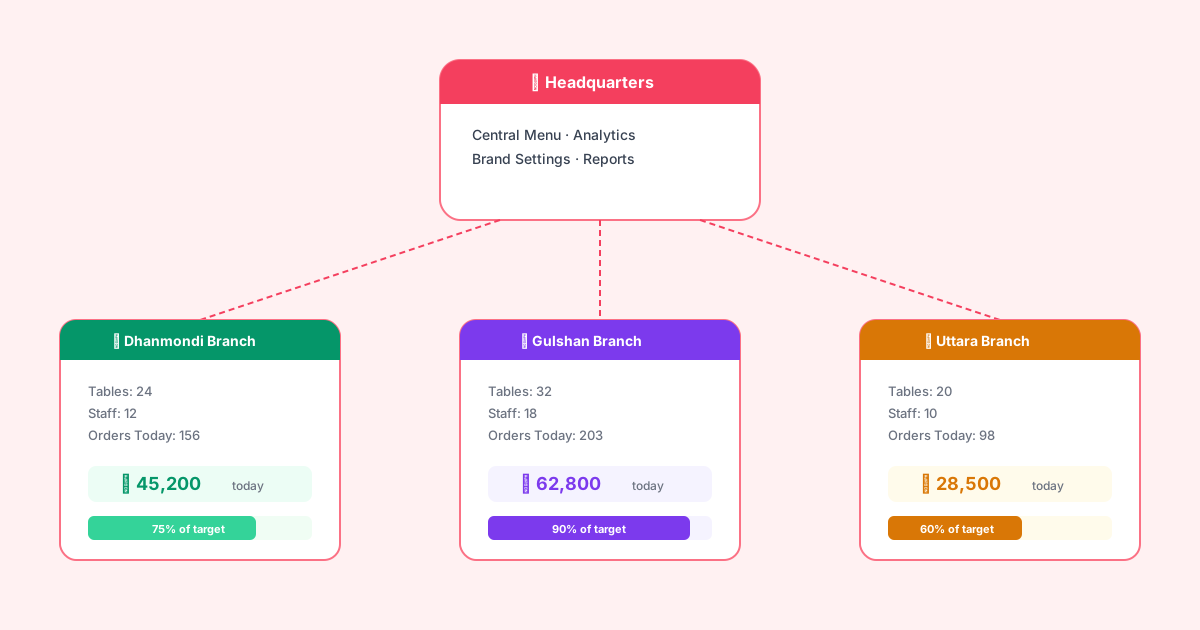
Modern restaurant management platforms use a hierarchy model: one brand, multiple branches. This gives you:
Central Menu Management: Update a menu item once, and it's reflected across all branches. Or customize per-branch if needed (different pricing for Gulshan vs. Dhanmondi, for example).
Unified Dashboard: See real-time sales, orders, and performance for all branches in one view. Compare branch performance side by side.
Branch-Level Autonomy: Each branch can manage its own tables, staff schedules, and daily operations while following brand standards.
Consistent Customer Experience: Whether a customer visits your Dhanmondi or Gulshan location, they get the same digital ordering experience.
Key Metrics to Track Across Branches
Getting Started
If you're planning to expand, choose a management platform that supports multi-branch from day one. Retrofitting single-branch tools for multi-location use is painful and expensive.
RestoIO's architecture is built around the Restaurant → Branch hierarchy, making it easy to start with one location and scale to many without changing your setup.